
Gas furnace repair in Bloomington, MN
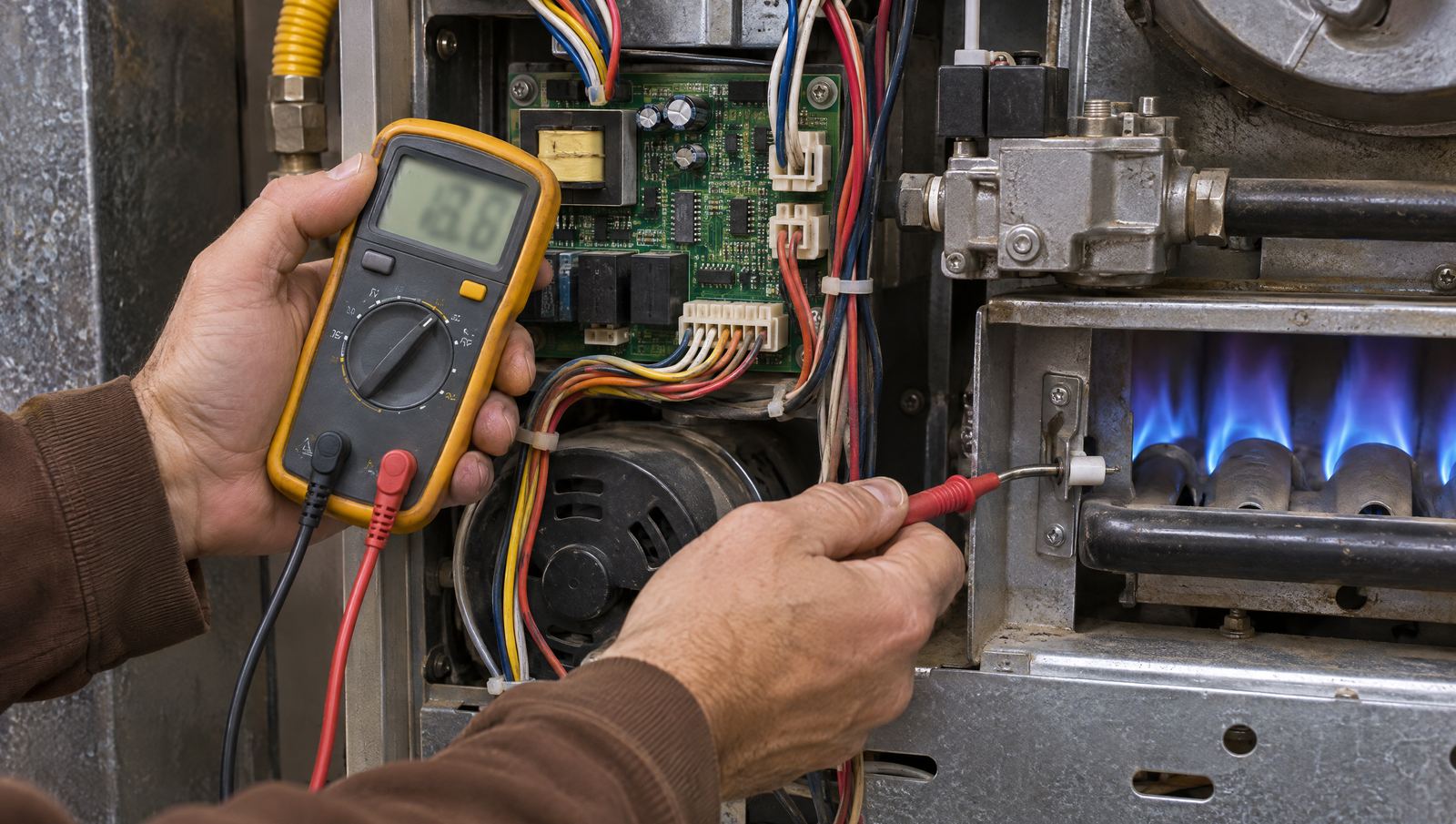
If your furnace will not light, lights and shuts off a minute later, or runs without warming the house, the cause is usually one part or one blockage: a dirty flame sensor, a worn ignitor, a pressure switch, a clogged filter or a vent pipe packed with snow. We test it, show you the part, check the venting and the carbon monoxide, and write the price before we fix it.
- The failed part shown to you
- Venting and carbon monoxide checked on every call
- Price written before any work
Tell us what the furnace is doing
We usually answer the same day, and within the hour when a house has no heat.
No heat and someone at home is elderly, unwell or very young? Call or text now: 952-555-0163
No heat? Check these four things first
None of these need tools, and any one of them can save a visit on a cold morning.
Check the thermostat.
Set to heat, a few degrees above the room, fresh batteries if it has them.
Check the filter.
A filter packed with dust can make the furnace overheat and shut itself off.
Check the vent pipes outside.
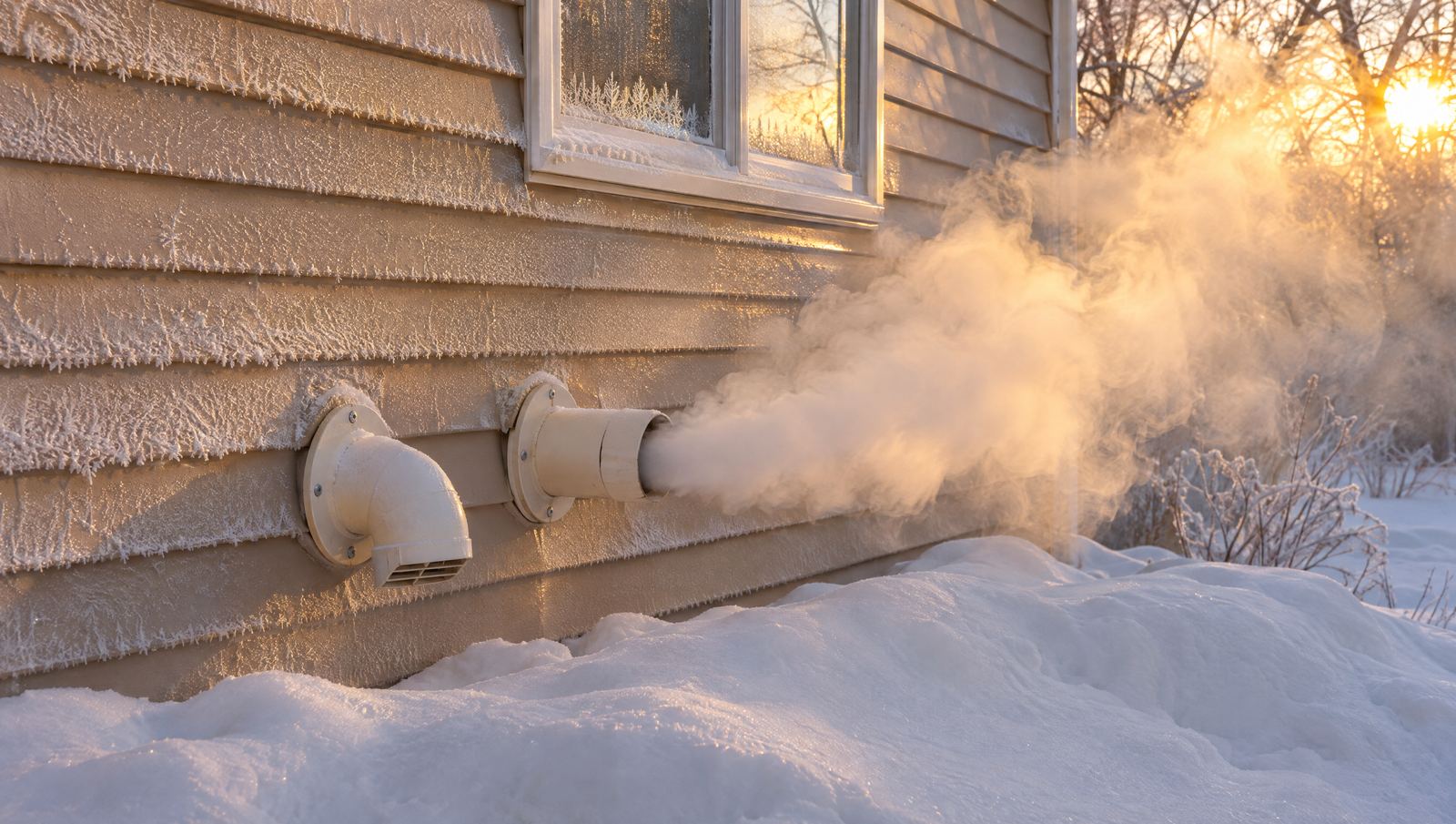
Two white pipes on the side wall. Snow, frost or a wasp nest can block them.
Reset it once.
Furnace switch off for 30 seconds, then on. If it locks out again, leave it and call.
What the signs usually mean
Lights, then shuts off
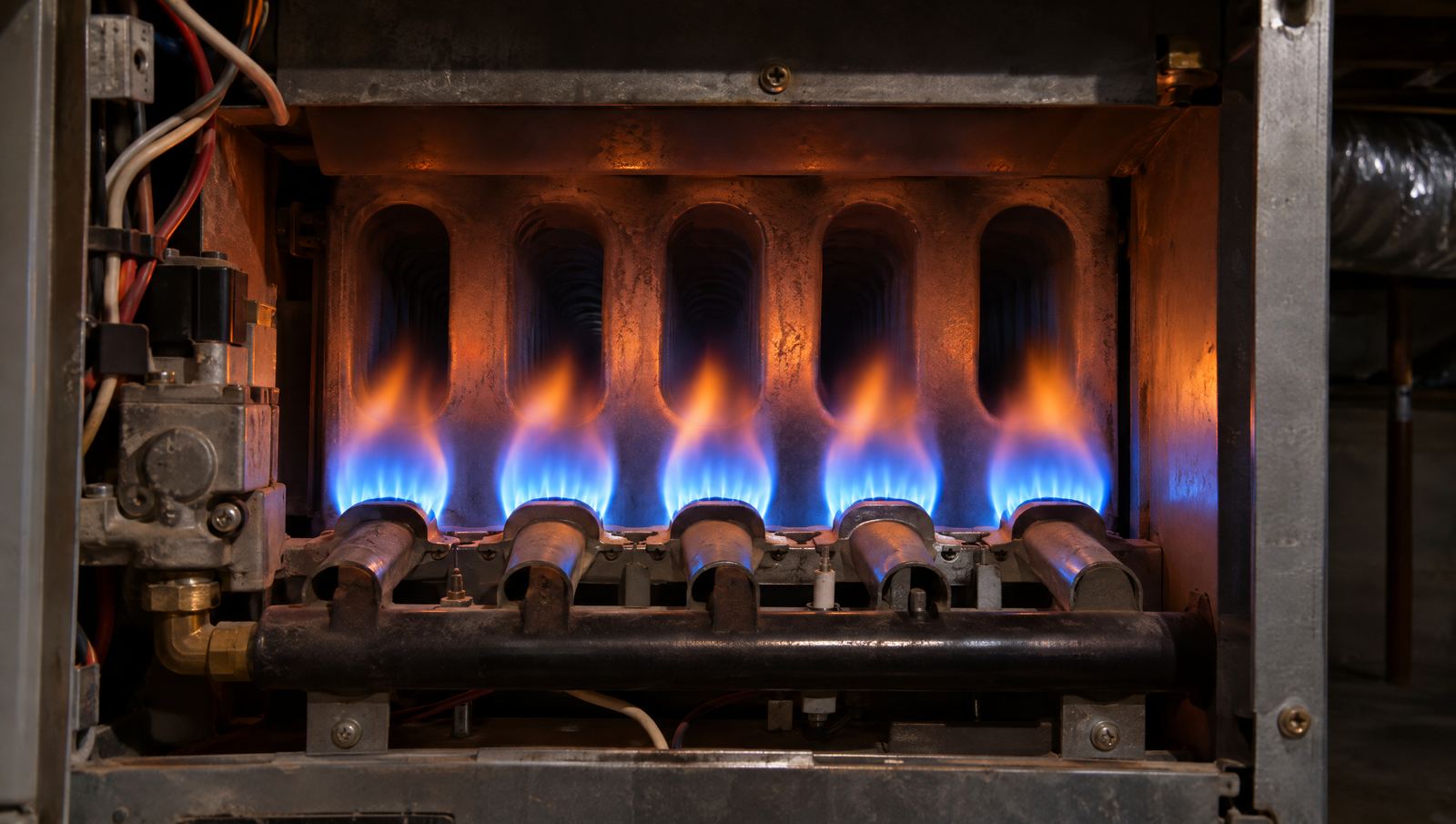
Usually a coated flame sensor. Sometimes low gas pressure or a poor ground.
Clicks and hums, never lights
A worn hot surface ignitor, a pressure switch that does not close, or a blocked vent or condensate drain.
Blower runs, air is cold
The burners are off while the fan keeps going. Often a lockout, sometimes a limit switch tripping from low airflow.
Starts and stops all day
Short cycling: a clogged filter, a blocked return, a failing limit switch or a furnace too big for the house.
Water around the furnace
High-efficiency furnaces make water. A frozen or clogged condensate line backs it up and shuts the furnace down.
Upstairs cold, furnace fine
Not a furnace repair at all. Usually ducts or returns. See duct sealing and balancing.
What we check on every furnace call
We fix the part that failed, but we also look at why it failed and whether the furnace is safe to run. That takes a few extra minutes and it is the same list on every call.
At the furnace: the flame, the ignitor, the flame sensor, the pressure switch, the inducer motor, the limit switch and the gas pressure. In the basement: the filter, the return and the condensate drain. Outside: the intake and exhaust pipes, which on a high-efficiency furnace leave the house through the side wall a foot or two above the ground and can drift shut in a snowstorm. And in the house: a carbon monoxide reading at the furnace and near the bedrooms, and a look at the supply temperature at the registers on each floor.
Why it matters: a flame sensor coated again in six weeks usually means something else is wrong. We would rather find that on the first visit.
“No heat at six in the morning, minus 14 outside. The flame sensor was coated and the furnace kept locking out. She cleaned it, checked the venting and had the house warming by eight. No sales pitch.”
Common furnace repairs, and what they usually mean
| What we find | Usually | Why |
|---|---|---|
| Coated flame sensor | Clean or replace | The most common no-heat call; the furnace is often fine otherwise |
| Cracked hot surface ignitor | Repair | Ignitors wear out; we check the voltage that reaches it |
| Pressure switch not closing | Find the cause | Often a blocked vent pipe, a kinked hose or a full condensate trap |
| Inducer motor noisy or seized | Repair | The small fan that pulls exhaust through the vent; replaceable |
| Frozen condensate line | Repair and reroute | Lines run through cold spaces freeze; we move or protect them |
| Limit switch tripping | Find the cause | Usually low airflow from a filter, a return or closed registers |
| Cracked heat exchanger | Talk it through | A safety problem; on an older furnace we show repair and replace side by side |
While you wait for us on a cold night
Minneapolis averages about 22 nights a year at or below zero (NOAA 1991 to 2020 normals). A house with no heat cools faster than people expect.
Close off what you can
Shut doors to rooms you are not using and gather in one room, ideally on the main floor away from big windows.
Keep the water moving
On a subzero night, open the cabinet doors under sinks on outside walls and let a cold tap drip.
Use space heaters with care
Plug them straight into a wall outlet, keep them three feet from anything that burns, and never sleep with one running near bedding.
Never heat with the oven or a grill
Both make carbon monoxide. If the CO alarm sounds, everyone out, then call 911.
Furnace repair around the south metro
We drive out from Bloomington. Every town has its own page with the drive, the houses we see there and the office that issues the permit.
Richfield
About 5 miles from the office, under 10 minutes. Small postwar houses with bedrooms tucked under the roof.
Burnsville
About 6 miles across the river, 8 to 15 minutes. Houses on the Minnesota River bluffs.
Edina
About 8 miles, 10 to 15 minutes. Ranches under bur oaks and large remodels.
Minneapolis and Eden Prairie
About 12 miles each way, 18 to 30 minutes. Old city houses to the north, newer two-story houses to the west.
The owner comes to the no-heat calls
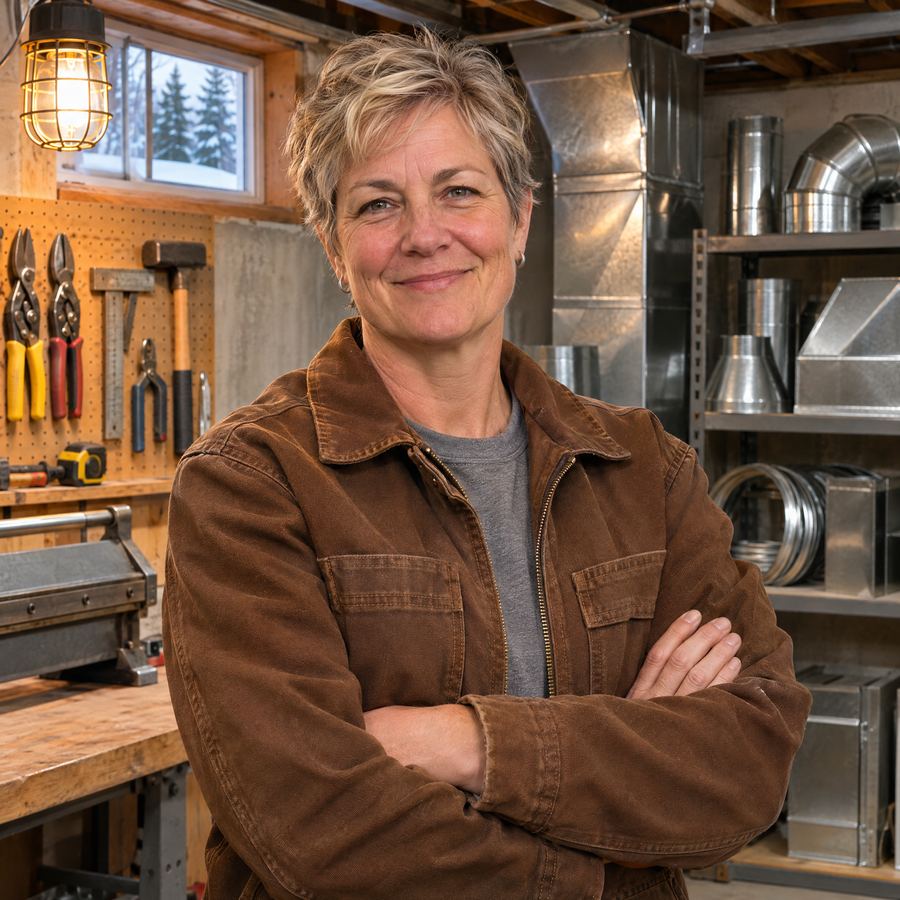
Kari Lindgren, owner and lead technician
Kari answers the phone, does the load calculation and writes the price. You deal with her from the first call to the last check of the bedrooms.
Book a heating visit
We usually answer the same day, and within the hour when a house has no heat.
No heat and someone at home is elderly, unwell or very young? Call or text now: 952-555-0163
Furnace repair questions we hear most
Why does my furnace light and then shut off after a few seconds?
Most often the flame sensor. It is a thin metal rod that proves to the control board that the burners are lit. When it gets coated, the board cannot see the flame and shuts the gas off for safety, then tries again. After a few tries it locks out. Cleaning or replacing the sensor is a short repair. If the sensor is clean, we look at the gas pressure, the ground and the board.
My furnace has no heat on a subzero morning. What should I check first?
Check that the thermostat is set to heat and a few degrees above the room, that the filter is not packed solid, and that the white PVC pipes on the side of the house are not buried in snow or frost. Clear them gently by hand if they are. Then turn the furnace switch off for 30 seconds and back on, once. If it still will not run, call or text 952-555-0163.
What is short cycling?
A furnace that runs for a few minutes, stops, and starts again over and over. It can come from a clogged filter or blocked return making the furnace overheat, a thermostat in the wrong spot, a failing limit switch, or a furnace far too large for the house. Oversizing is common in older Twin Cities houses. If that is the cause, we say so and show you the numbers on the furnace replacement page.
Is it safe to run a furnace that keeps locking out?
The lockout is the furnace protecting itself, so it is not dangerous by itself. What matters is why. A blocked vent, a cracked heat exchanger or a carbon monoxide reading are reasons to leave it off. Minnesota law requires a working carbon monoxide alarm within ten feet of every bedroom. If yours sounds, get everyone outside and call 911 first. See what a fall check covers.
Do you charge to come out?
Yes, there is a diagnostic charge, and we tell you what it is on the phone before anyone drives out. The repair price is written down after we have looked, before we start.
How fast can you get here when there is no heat?
From October through April a technician is on call after hours for houses with no heat. During the day, no-heat calls go ahead of tune-ups and quotes. Richfield and Burnsville are the shortest drives from Bloomington, Minneapolis and Eden Prairie the longest. Call or text 952-555-0163 and we will tell you when we can be there.
Tell us what the furnace is doing
Say what you see and hear and when it started. If there is no heat and someone at home is elderly, unwell or very young, call or text rather than using the form.
Book a furnace repair
We usually answer the same day, and within the hour when a house has no heat.
No heat and someone at home is elderly, unwell or very young? Call or text now: 952-555-0163